
Transit Insurance
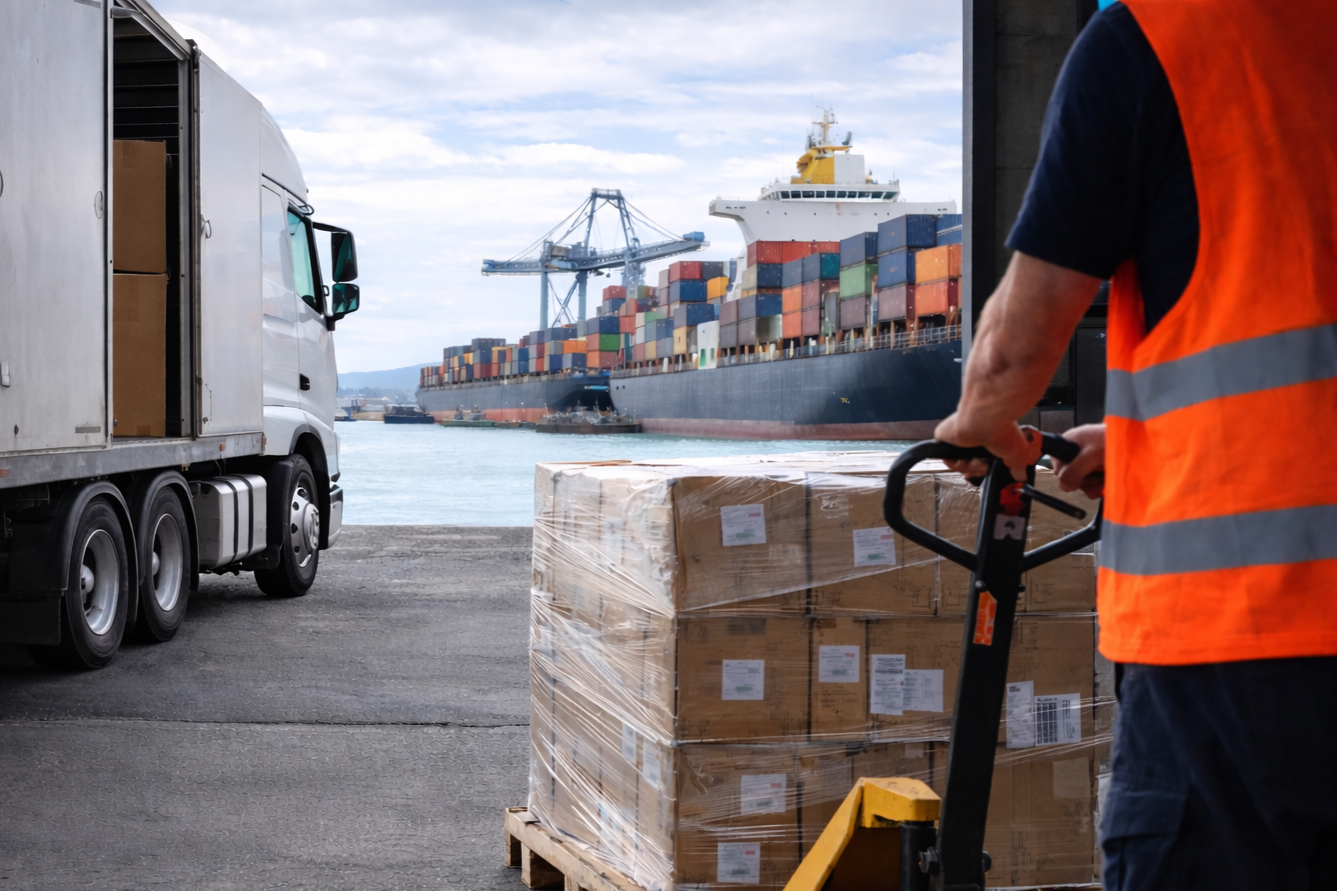
Redwood Insurance Brokers makes transit insurance clear, practical, and matched to how your goods actually move. We help you protect stock, materials, and equipment in transit by road, sea, air, and courier, including storage-in-transit where it applies, and we explain who is responsible, what conditions matter, and what is commonly excluded before you need to claim. If something goes wrong, we back you and help drive the claim through.
Why transit insurance matters
If you import, export, courier stock, or move equipment between sites, you are exposed to loss and damage in places you cannot fully control, such as loading docks, trucks, ports, depots, and warehouses. One incident can mean lost sales, delayed jobs, unhappy customers, and cash flow pressure.
Transit insurance, often called marine cargo or goods-in-transit, is designed to cover physical loss or damage to goods while they are being transported, subject to policy wording and conditions.
Plain-English takeaway: carriers liability protects the carrier when they are legally liable. Transit insurance protects the owner of the goods.
What we help with:
We can help you organise cover for:
Domestic transit (road freight, couriers, inter-branch transfers)
Import and export shipments (sea, air, and multimodal)
Stock, materials, and equipment in transit
Storage-in-transit where temporary storage is part of the journey (wording dependent)
Annual open cover for ongoing shipments, or single shipment cover
High-value or fragile items (special terms and limits may apply)
Optional extensions depending on insurer and trade, such as temperature control, debris removal, and expedited freight (where available)
We map how your goods move, how often, and where the weak points are, then recommend a structure that fits your supply chain.
Who should insure it? (the responsibility trap)
Many disputes come from assumptions about who is responsible during shipping. Responsibility can depend on:
Purchase and sale terms
Freight contracts and consignment notes
Incoterms for international trade
When ownership and risk transfer
Plain-English takeaway: do not assume the courier will pay. We help you confirm where risk sits and make sure your insurance matches.
Setting the right value (it is rarely just the invoice price)
A sensible transit value often needs to consider:
Cost of goods
Freight and duty
GST where applicable
Packaging and handling costs
Profit margin uplift (common in annual open covers)
Replacement lead time and the real cost of being out of stock
Plain-English takeaway: underinsuring creates painful shortfalls. We help you set values that reflect real replacement cost.
The gaps we look for (so you don’t find them mid-claim)
This is where a broker earns their keep. We check for:
Packaging requirements (poor packaging can create claim issues)
Theft conditions (secure vehicles, depot security, time limits for unattended goods)
Fragile items and breakage exclusions (varies by policy)
Temperature deviation and spoilage (often excluded unless arranged)
Delay and consequential loss (commonly excluded or limited)
Unexplained loss limitations (mysterious disappearance wording)
Storage-in-transit assumptions (not always automatic)
High-value item limits and sub-limits
Notification windows for carrier notices and insurer reporting
If there is a gap, we will tell you straight and explain the practical options.
Transit insurance vs carriers’ liability (different jobs)
Transit insurance: protects the goods owner for physical loss or damage in transit, subject to wording.
Carriers liability: protects the carrier when they are legally liable, often with limits and conditions.
Plain-English takeaway: sometimes one policy is not enough. We help structure this properly so you are not relying on the wrong cover.
How Redwood does it differently
Independent
We compare options across insurers and specialist markets where needed.
Advice, not just a quote
We explain cover in plain English, including the conditions and exclusions that affect claims.
A sharper risk lens
We look for supply chain weak points, contract assumptions, and sub-limits that matter.
Claims advocacy
If you need to claim, we help notify early, present the claim clearly, and keep momentum.
Fast-moving
You deal with people who can make progress, not a maze of hand-offs.
Our process (simple, on purpose)
Quick chat: what you ship, where it goes, how often, and who carries it
Review: current cover (or start fresh) and map exposures
Recommendations: clear options with differences in structure, values, limits, and exclusions
Placement: organise the policy and confirm key details
Ongoing support: shipment changes, renewals, and claims help
If you need to claim
Transit claims move faster when the facts are captured early. We help you:
Take the right first steps (protect goods and preserve evidence)
Notify the insurer and meet any carrier notice requirements
Gather documents (invoice, packing list, consignment note, photos, proof of delivery, survey if needed)
Coordinate with carriers, depots, and insurers
Keep momentum and push for a fair outcome
FAQ’s
-
Often yes. Carriers liability is usually limited and depends on legal liability and conditions. Transit insurance protects the goods owner more directly.
-
It often refers to goods-in-transit cover generally, including road, sea, and air, depending on the policy.
-
Often yes. We can arrange cover for imports, exports, and multimodal shipments, subject to insurer terms.
-
Not always automatically. This usually needs specific cover and conditions.
-
No. We help small businesses through to larger operations. This page is focused on NZ transit insurance advice.
Want a free second opinion on transit insurance?
Bring your current policy (or just tell us what you want covered). We’ll review it, explain what matters, and show you options.
This information is general only and does not consider your personal circumstances. Cover, limits, exclusions, and excesses vary by insurer and policy wording.