
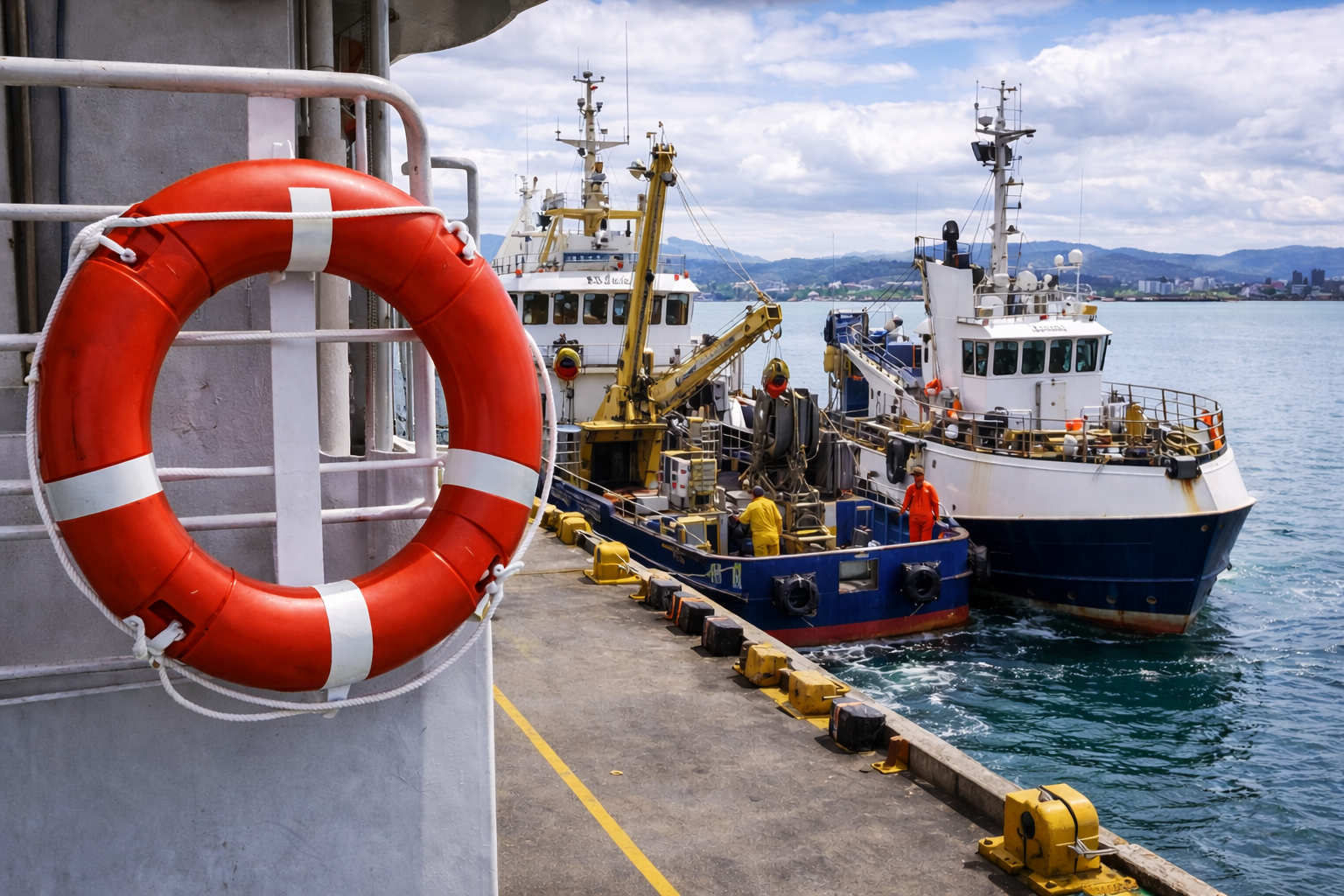
P&I Insurance
Redwood Insurance Brokers makes Protection and Indemnity (P&I) insurance clear, practical, and matched to how you operate on the water. We’ll help you understand what P&I is built for (third-party liability, not damage to your own vessel), set appropriate limits for your vessel type and operating area, and confirm the conditions that matter for crew, passengers, contracts, and higher-risk activities. If something goes wrong, we back you and help drive the claim through.
Why P&I insurance matters
When you operate a vessel, the largest financial risk is often not damage to your own boat. It is the liabilities that can follow an incident, such as injury to people, damage to other vessels or structures, pollution response, wreck removal, and legal defence costs.
Protection and Indemnity (P&I) insurance is marine liability cover designed to help protect vessel owners and operators against certain third-party claims and costs, subject to policy wording, limits, and operating conditions.
Plain-English takeaway: hull cover protects your vessel. P&I helps protect you when your vessel causes loss to others.
What we help with:
What we help with (typical P&I cover areas)
Cover varies by insurer, club, and vessel type, but P&I commonly relates to:
Third-party bodily injury (crew, passengers, visitors, status and definitions matter)
Third-party property damage (other vessels, marinas, wharves, underwater infrastructure)
Collision liability not covered elsewhere (structure depends on hull wording)
Pollution liability (fuel spills, clean-up costs, limits and conditions matter)
Wreck removal and salvage liabilities (when you are legally responsible)
Legal defence costs and claims handling support
Cargo-related liabilities (where relevant to the operator and agreed in wording)
Towage and contractual liabilities (where relevant and accepted by the insurer)
We’ll map your operation and recommend the right structure and limit for your exposure.
P&I vs hull and machinery vs “boat insurance” (the confusion we fix)
Hull and machinery (H&M): covers physical damage to your vessel.
P&I: covers third-party liabilities arising from operating the vessel.
Pleasurecraft insurance: can include liability, but may not suit commercial use, passenger operations, or higher-risk work.
Plain-English takeaway: P&I is often the specialist liability layer, especially for commercial operators.
Contracts, passengers, and crew (details matter)
P&I is highly dependent on how you operate, including:
Passenger operations (charters, tourism, ferries)
Crew arrangements (employees vs contractors, and who counts as crew)
Tender and contract requirements (ports, councils, commercial customers)
Port and marina access rules
Workboat activities, fishing operations, towage, bar crossings, or specialist work
Plain-English takeaway: marine liability is not a tick-box cover. It has to match your real-world activities and obligations.
The gaps we look for (so you don’t find them mid-claim)
This is where a broker earns their keep. We check for:
Incorrect vessel details (type, tonnage, construction, use, modifications)
Commercial vs pleasure use issues (misclassification can break claims)
Operating area restrictions (coastal/offshore limits, bar crossings, ports)
Crew and passenger definitions (who is covered, and in what capacity)
Pollution limits, sub-limits, and conditions
Contractual liability (what you agree to in contracts may not be automatically covered)
Safety and compliance requirements (survey, maintenance, safety gear, skipper competency)
Claims notification expectations (marine incidents often require early notification)
If there’s a risk gap, we’ll tell you straight and explain the practical options.
How Redwood does it differently
Independent
We compare options across insurers and specialist marine markets where needed.
Advice, not just a quote
We explain P&I in plain English, including exclusions and conditions that affect claims.
A sharper risk lens
We pressure-test your operating reality against the wording and requirements.
Claims advocacy
If you need to claim, we coordinate early, keep momentum, and push for a fair outcome.
Fast-moving
You deal with people who can make progress, not a maze of hand-offs.
Our process (simple, on purpose)
Quick chat: vessel details, use, operating area, crew and passengers, contracts
Review: check existing cover (or start fresh) and identify gaps
Recommendations: clear options with differences in limits, exclusions, and conditions
Placement: arrange the policy and confirm the key details
Ongoing support: changes, renewals, and claims help
If you need to claim
Marine liability claims can escalate quickly. We help you:
Take the right first steps (safety, containment, documentation)
Notify the insurer correctly and promptly
Manage evidence and incident reporting
Coordinate with assessors, authorities, marinas, and legal support
Keep things moving and push for a fair outcome
FAQ’s
-
Hull covers your vessel. P&I covers third-party liabilities. Many commercial operators need both.
-
Often yes, but limits and conditions matter. We’ll match it to your exposure.
-
No. It is common for many commercial vessels and higher-risk operations, depending on requirements.
-
It can, but definitions and conditions matter. We’ll confirm exactly who is covered and in what capacity.
-
Not always. Contractual liability often requires careful review and insurer agreement.
-
No. We help pleasurecraft and commercial marine clients. This page is focused on P&I marine liability advice in NZ.
Want a free second opinion on P&I insurance?
Bring your current policy (or just tell us what you want covered). We’ll review it, explain what matters, and show you options.
This information is general only and does not consider your personal circumstances. Cover, limits, exclusions, and excesses vary by insurer and policy wording.