
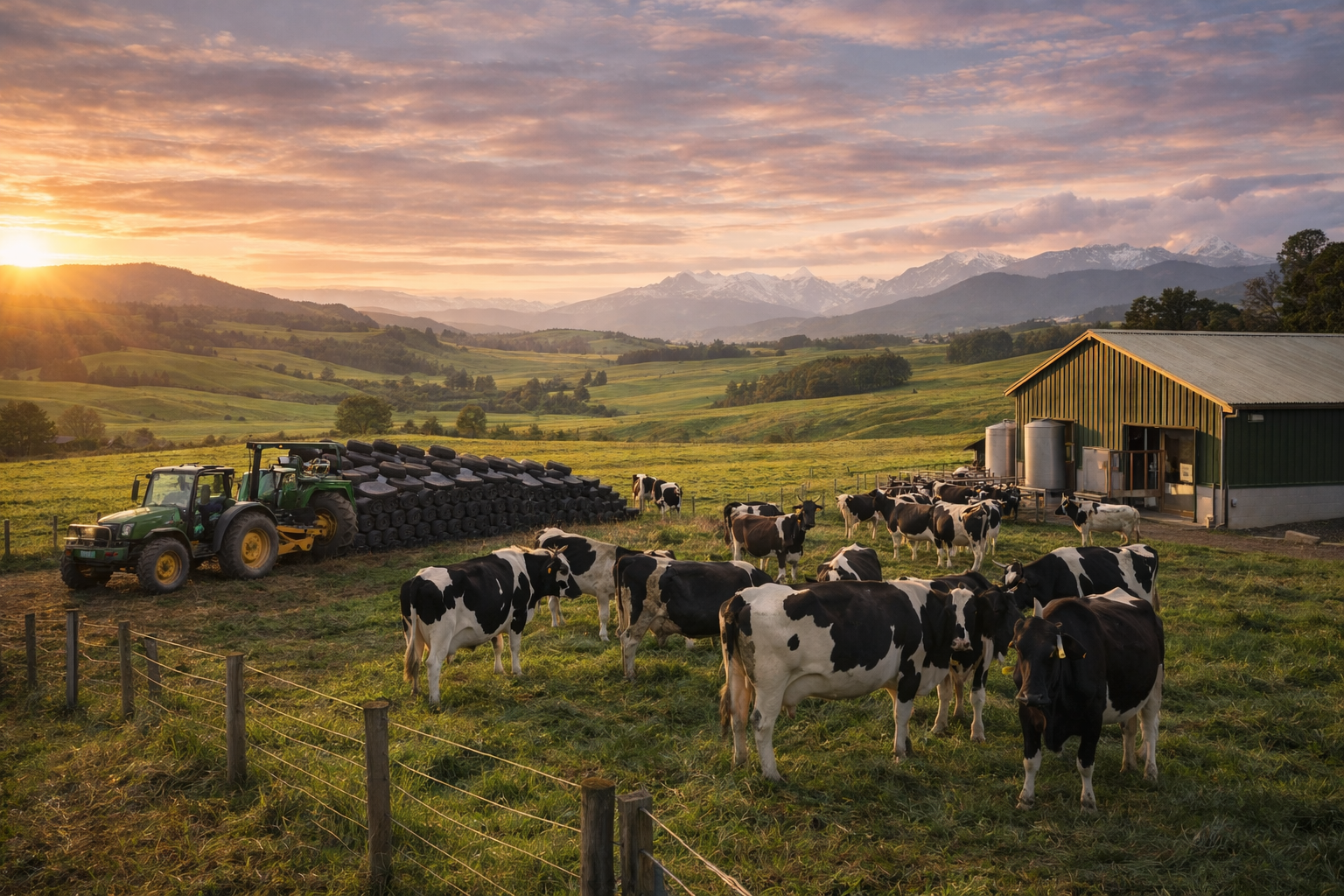
Agriculture & Horticulture Insurance
Redwood Insurance Brokers makes agriculture and horticulture insurance clear, practical, and tailored to how your operation actually runs. We’ll help you cover rural property, machinery, produce, livestock (where relevant), and liability exposures, explain the trade-offs in plain English, and check the common gaps that cause pain at claim time — from underinsurance and fire risk to weather exposure and supply-chain disruption. If something goes wrong, we’ll back you and help drive the claim through.
Why agriculture & horticulture insurance matters
Rural operations face a different mix of risk: larger properties, multiple buildings, specialised plant, seasonal labour, fire exposure, weather events, produce value swings, and contractors moving through site. One loss can ripple into downtime, missed harvest windows, and major cashflow pressure.
The right insurance helps protect your assets, reduce disruption, and avoid nasty surprises when you need support most.
What we help with:
We can help you organise cover for:
Rural property (dwellings, worker accommodation, sheds, packhouses, cool stores)
Farm and orchard infrastructure (irrigation, pump sheds, tanks, fencing — policy dependent)
Plant and machinery (tractors, implements, harvest equipment, forklifts, sprayers — insurer rules vary)
Stock, produce and inputs (seed, fertiliser, chemicals, harvested produce — depending on operation and wording)
Rural liability (visitors, contractors, product and operations liability — where relevant)
Vehicles and commercial motor (utes, trucks, trailers — where relevant)
Business interruption (if downtime would hit cashflow)
Transit exposures (produce and goods movement — sometimes separate cover)
Specialist risks (as needed: forestry adjacency, rural fire exposure, seasonal staffing, etc.)
We’ll talk through how your operation works across the year, then structure cover that matches your real risk profile.
Seasonal operations need seasonal thinking
A lot of rural businesses don’t run “evenly” through the year. Harvest, packing, peak labour, and peak stock/produce values can swing dramatically.
Plain-English takeaway: your cover needs to reflect peak exposure — not the quiet month. We help you stress-test sums insured and limits against your busiest, most valuable period.
The “gotchas” we look for (so you don’t find them mid-claim)
This is where a broker earns their keep. We check for:
Underinsurance on multiple buildings and specialised machinery (replacement isn’t quick or cheap)
Fire risk and rural response reality (distance, water supply, access, vegetation)
Weather and natural hazard exposure (wind, flood, hail, slips — and how cover applies)
Irrigation and pumping systems (often misunderstood or under-valued)
Cool store and refrigeration breakdown (and deterioration/spoilage extensions where available)
Contractors and seasonal labour increasing liability exposure
Chemical and spray operations (drift issues, third-party damage, compliance expectations)
Theft conditions for machinery and fuel (security and storage rules matter)
Equipment used off-site or hired out (cover can change based on use)
Business interruption blind spots (property damage may be covered, but downtime and lost trading may not be)
If there’s a gap, we’ll tell you straight and explain your options.
The gaps we look for (so you don’t find them mid-claim)
This is where a broker earns their keep. We check for:
Renovations vs new builds issues, especially cover for the existing structure
Defects and faulty workmanship exclusions (the cost to fix poor work is often excluded; resulting damage may be treated differently depending on wording)
Water ingress and gradual damage traps during weather exposure and renovations
Theft conditions, such as locked storage, fencing, alarms, and forced entry definitions
Unoccupied site rules and stand-down periods
Natural hazard limits and weather-related conditions
Subcontractor responsibility gaps for tools, plant, and liability
Delay costs (contract works covers damage; delays and penalties usually need separate planning)
Start, handover, and practical completion definitions so cover ends when you expect it to
If there is a gap, we will tell you straight and explain the practical options.
Property, machinery, liability — and how they fit together
Rural insurance often works best when it’s structured as a system:
Assets cover for buildings, plant, machinery, and stock/inputs
Liability cover for injury or property damage claims involving your operations
BI cover for cashflow protection after major loss (where relevant)
Plain-English takeaway: we help you avoid overlaps and holes — and keep it easy to manage.
How Redwood does it differently
Independent
We compare options across insurers and specialist rural markets where needed.
Advice, not just a quote
We explain trade-offs in plain English so you can choose confidently.
A sharper risk lens
We look for the rural-specific exclusions, conditions, and sub-limits that matter.
Claims advocacy
If you need to claim, we’re in your corner helping drive it through to a fair outcome.
Fast-moving
You deal with people who can make progress — not a maze of handoffs.
Our process (simple, on purpose)
Quick chat: scope, contract party, timeline, and key risk points
Review: existing cover (if any) and contract requirements
Recommendations: clear options with differences in sums insured, conditions, and exclusions
Placement: we arrange the policy and confirm key details
Ongoing support: variations, extensions, renewals, and claims help
If you need to claim
Rural claims can be time-critical — especially during peak season.
We help you:
understand what to do first and reduce further loss
lodge and progress the claim
pull together the right evidence (photos, asset lists, invoices, maintenance records)
keep momentum with assessors, repairers, and insurers
push for a fair, timely outcome
FAQ’s
-
Often yes. Rural properties typically have more buildings, specialised machinery, and seasonal exposures that need different structure and limits.
-
Often yes, but they can have specific terms and sub-limits. We’ll make sure the values and cover are set properly.
-
Often sudden damage is covered, but the details vary by insurer and event type. We’ll explain how your cover responds.
-
This may be an extension or separate cover depending on the policy. We’ll explain what’s available and what makes sense.
-
If you have contractors, visitors, seasonal staff, or product exposure, liability cover is usually essential. We’ll help choose sensible limits.
-
No. We help lifestyle-to-commercial operations — this page is focused on NZ agriculture and horticulture risks.
Want a free second opinion on your contract works insurance?
Bring your current policy (or just tell us what you want covered). We’ll review it, explain what matters, and show you options.